
billuslater Logo Billuslater Contact Us
Menu
Contact Us

Oak Trail Guide: History & Nature

Learn about the ancient oaks at Portumna. We explain what makes these trees special and how to identify different species along the trail.

7 min read Intermediate June 2026
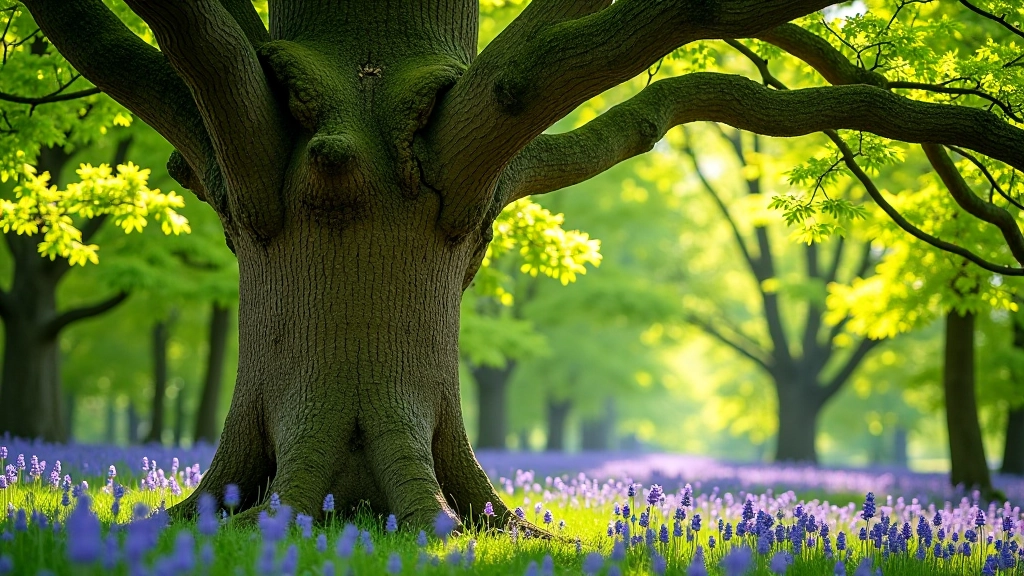
Mature oak tree with thick trunk and sprawling branches in sunlit forest clearing at Portumna Forest Park

The Oak Trail at Portumna Forest Park isn't just a walk through the woods. It's a journey through centuries of history, where trees that were saplings when Ireland was a very different place now stand as giants. These oaks tell stories — about the climate, about how the land was managed, about resilience and time itself.

We've walked this trail dozens of times, and honestly, every season reveals something new. Whether you're 60 or 85, whether you're an experienced naturalist or someone just curious about what's around you, these trees have something to teach.

What You'll Find Along the Trail

The Portumna oak woodland isn't a uniform forest. You'll encounter several different types of oak, each with distinct characteristics. The dominant species is the sessile oak — these are the big, impressive trees with thick trunks and wide-spreading crowns. You'll also find pedunculate oaks mixed in, though they're less common here.

What makes this woodland special? The trees aren't young. Many of these oaks are 150-200 years old, some even older. That means they've grown through Victorian times, through Irish independence, through decades of changing weather patterns. Their rings hold records of all of it.

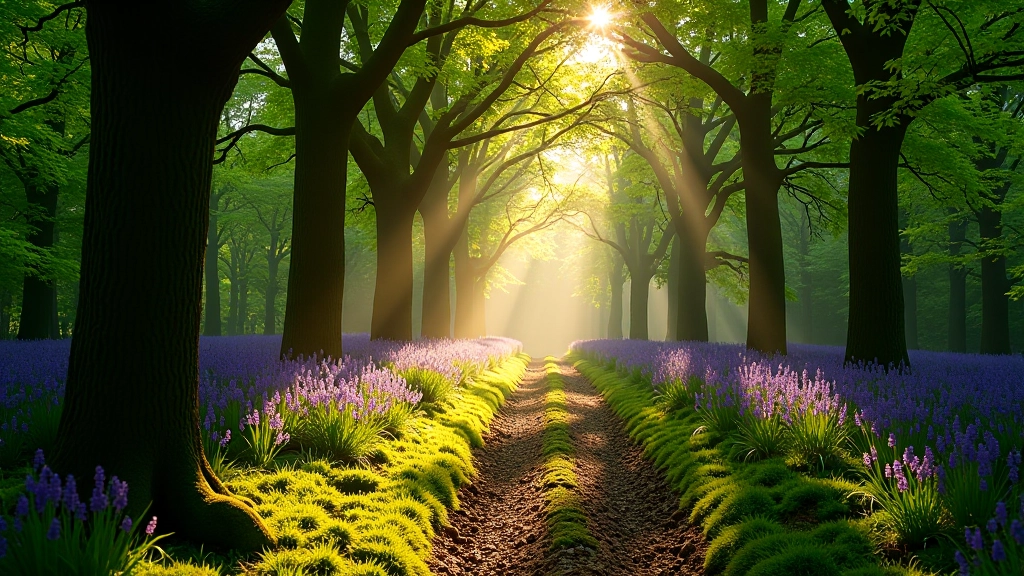
Between the oaks you'll notice a diverse understory. Holly trees grow beneath the canopy, along with hazel and rowan. In spring, bluebells carpet the forest floor — that's why we've covered the bluebell walks separately. In autumn, the leaf litter is thick enough to muffle your footsteps.
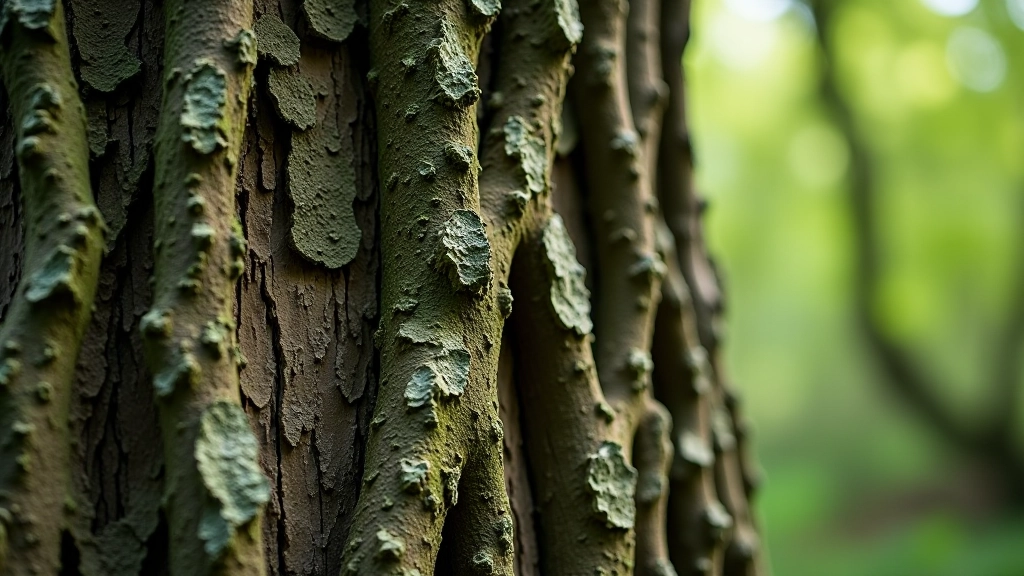
Close-up detail of ancient oak bark texture with lichen patterns and deep crevices showing tree age and forest ecology

Oak Tree Identification

Sessile oaks have leaves with no stalk (sessile means "without a stalk"), and their acorns sit directly on the branch. Pedunculate oaks have leaves on short stalks and acorns that hang from a long stem. Look at the base of the leaf to tell them apart. It's not always obvious from a distance, but once you know what to look for, you'll start noticing the difference.

Sunlight filtering through oak tree canopy creating dappled shadows on forest floor with green moss and bracken

The History Written in Wood

Ireland's oak forests were once extensive. Centuries ago, oak woodlands covered maybe 80% of the island. Then came clearance for farming, for shipbuilding, for timber. By the 1600s and 1700s, most of those forests were gone. What remained were fragments — small woodlands like Portumna that survived because of a combination of luck, protection, and topography.

Portumna's oaks survived partly because the land belonged to estates that managed it for hunting and timber. That's actually why the woodland structure you see today exists — it was managed, deliberately shaped over centuries. The older, larger oaks were left standing. Smaller trees were thinned. The result is this open, park-like woodland where you can walk without pushing through dense undergrowth.

The trail itself is relatively recent — it was formally developed to allow access while protecting the woodland. Walking it now, you're experiencing a landscape that's been shaped by human hands for at least 300 years.

What to Look For as You Walk

1

Girth and Age

A mature oak's girth (circumference) can tell you roughly how old it is. A tree that's 200 years old might have a circumference of 4-5 meters. You won't be able to count rings without cutting the tree down, but the sheer thickness tells you it's ancient.

2

Wildlife Habitat

Look for holes in the bark — these are often made by woodpeckers or insects. Oaks support hundreds of insect species, which in turn feed birds and mammals. The whole ecosystem depends on these trees being healthy.

3

Seasonal Changes

Oak trees are slow to leaf out in spring and slow to lose their leaves in autumn. In winter, you'll see the structural form of the tree clearly. Early summer, the canopy's so dense that little light reaches the ground.

4

Acorn Production

Oak trees don't produce acorns every year in equal quantities. Some years there's a massive crop, other years very few. This mast variation affects the entire woodland food web.

Practical Information for Your Visit

The Oak Trail is roughly 3 kilometers long, and it's well-marked. You won't get lost. The terrain is mostly level or gently sloping — it's designed for access, not for challenging hikes. In wet weather, parts can be muddy, so good footwear matters. We've written a separate guide on walking safety for older adults, so we won't repeat all that here.

The best time to visit depends on what you want to see. Spring brings bluebells and new growth. Summer gives you the full canopy and wildlife activity. Autumn is spectacular for colors and acorn-watching. Winter lets you see the structure of the trees clearly, and there's something peaceful about a bare woodland.

The trail takes 45 minutes to an hour at a leisurely pace, stopping to look at things. You don't need to rush. That's actually the point — you're there to notice, to be present, to let your mind settle.

Elderly couple walking together on forest trail, peaceful woodland setting, natural daylight through trees, senior hikers

Why These Trees Matter

Ancient oaks like those at Portumna aren't just beautiful or historically interesting. They're ecologically essential. They support more wildlife species than any other tree in Ireland. They store carbon. They regulate water flow. They've survived centuries of change, and they'll likely outlive us all.

There's something grounding about standing beside a tree that's been alive for 200 years. Your worries feel smaller. Your perspective shifts. You realize you're part of something much larger and much longer-lasting than yourself.

That's why we think everyone — especially people who want to slow down, to think, to be present — should walk this trail at least once. You don't need to be a botanist or an environmentalist. You just need to be curious. The oaks will do the rest.

Síle O'Donnell, Senior Nature Wellness Editor

Síle O'Donnell

Senior Nature Wellness Editor

Environmental wellness specialist with 14 years' experience designing nature-based programmes for seniors across Ireland's forests and lakes.

Information Disclaimer

This article is provided for educational and informational purposes only. While we've made every effort to ensure the information is accurate, it's intended as a general guide to understanding the oak woodland at Portumna. Tree identification, growth patterns, and ecological information can vary based on seasonal conditions and individual observations. Before undertaking any woodland walk, always check current conditions, wear appropriate clothing and footwear, and consider your own fitness level and health needs. If you have mobility concerns or health conditions, consult with a healthcare provider before beginning outdoor activities.