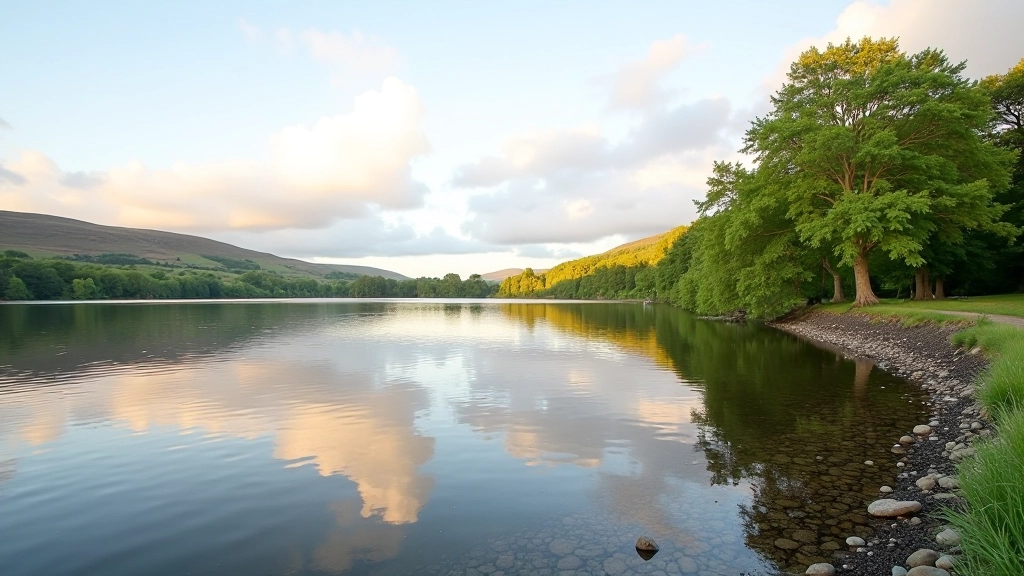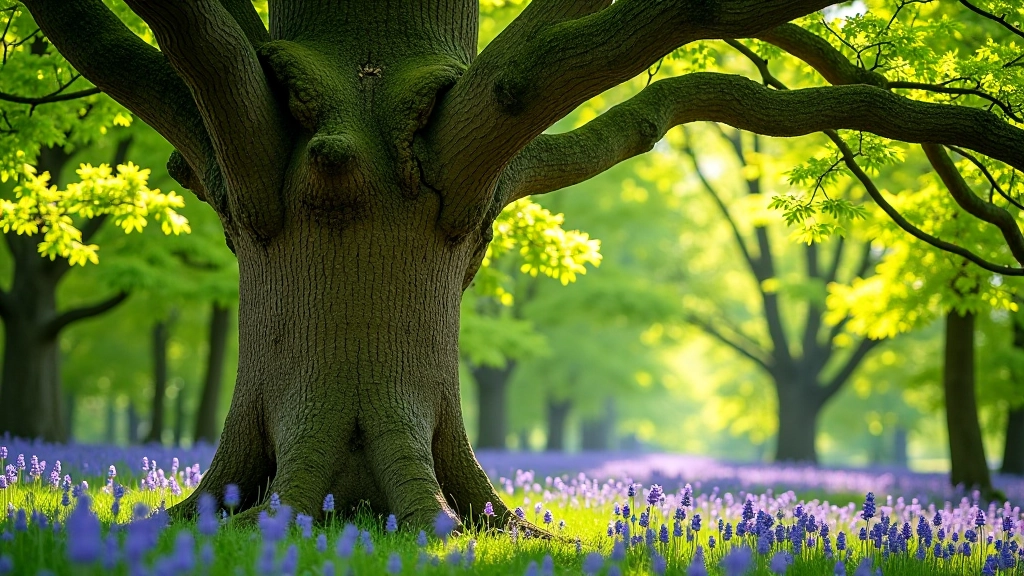
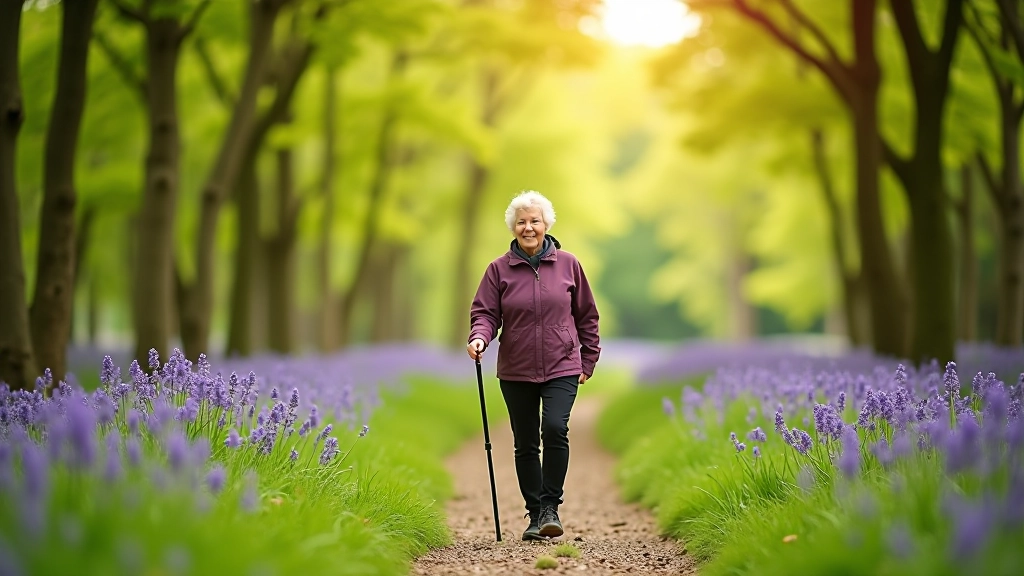
Walking in nature is one of the best things you can do for your health at any age. Fresh air, gentle movement, the quiet of the forest — it's restorative. But getting it right matters, especially if you've not walked much in a while or if you're managing some stiffness or balance concerns. We've put together this guide to help you enjoy the woodland trails around Portumna Forest Park and Lough Derg's shore with confidence and ease.
Start with the Right Shoes
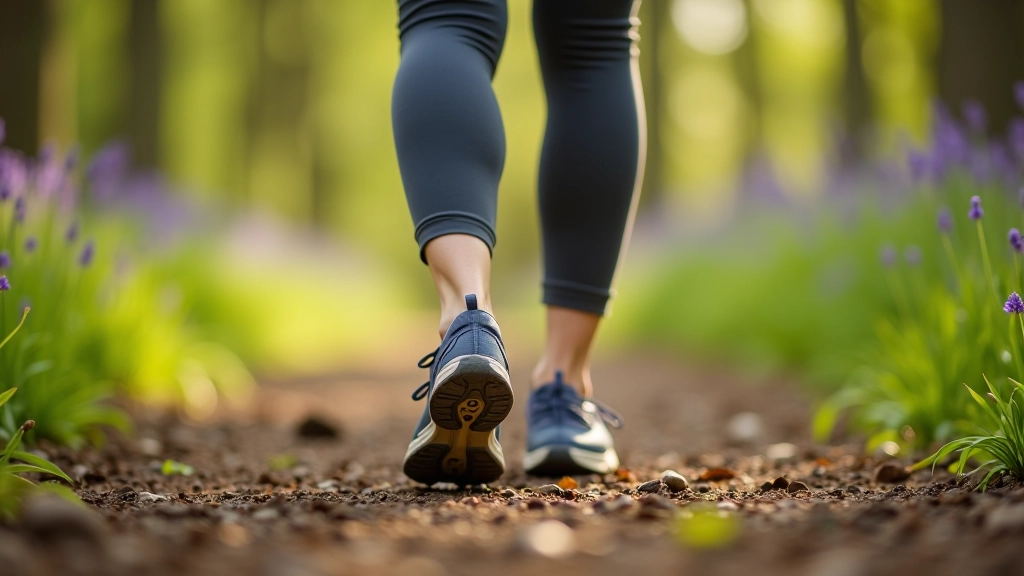
Your feet carry you everywhere, so they deserve proper support. When you're walking on woodland paths — especially ones with roots, rocks, and uneven ground — good footwear isn't just about comfort. It's about safety.
Look for shoes with a firm heel, good arch support, and a thick sole that won't let you feel every stone beneath you. Waterproof is essential in Ireland's damp climate. Trainers with cushioning work well, but so do proper walking shoes designed for rougher terrain. The key is finding something that feels supportive without being heavy. You're not climbing mountains — you want something you can walk in for 45 minutes to an hour without your feet complaining.
Pace Yourself — Really
Here's what we hear most: "I used to walk much faster, but now I go slow." That's not a failure. That's wisdom. Walking at a comfortable pace where you can still chat with a companion — that's the sweet spot. You're not training for a race. You're out there to enjoy the quiet, breathe the forest air, and come home feeling good.
A gentle 20 to 30-minute walk twice a week is far better than pushing yourself once and then being too sore to go again. Your body adapts to regular gentle movement. Skip it for a month and you'll feel the difference. The trails around Portumna aren't going anywhere — you've got time.
The 60-Minute Rule
Plan walks that take 30-45 minutes of actual walking. Add 15 minutes for rests, looking at views, or just standing still and listening. Total time out: about an hour. It's achievable, feels rewarding, and won't leave you exhausted.
Use a Walking Stick — It's Not Weakness
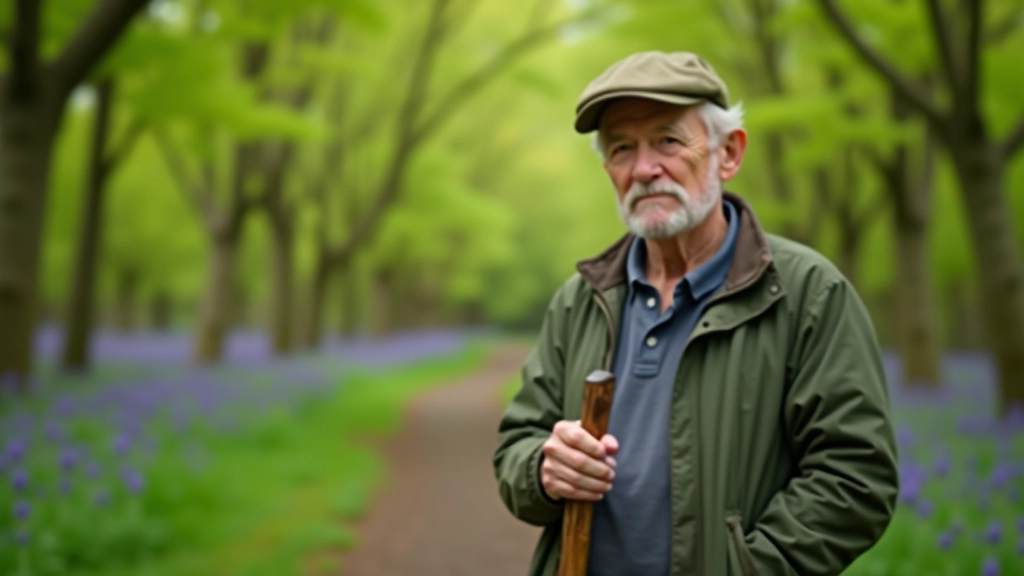
A walking stick isn't just for people who are unwell. It's a tool. It gives you three points of contact instead of two. It takes weight off your knees on descents. It helps you test the ground ahead if you're uncertain about stability. Many experienced walkers use one, and honestly, once you try it you'll wonder why you didn't sooner.
Get one that comes up to your wrist height when your arms hang naturally. Adjust the length if it has a twist mechanism. Use it on both sides — swap hands every few minutes so you're not favouring one arm. It makes a real difference to how your knees feel the next day.
Watch Your Footing — Really Watch It
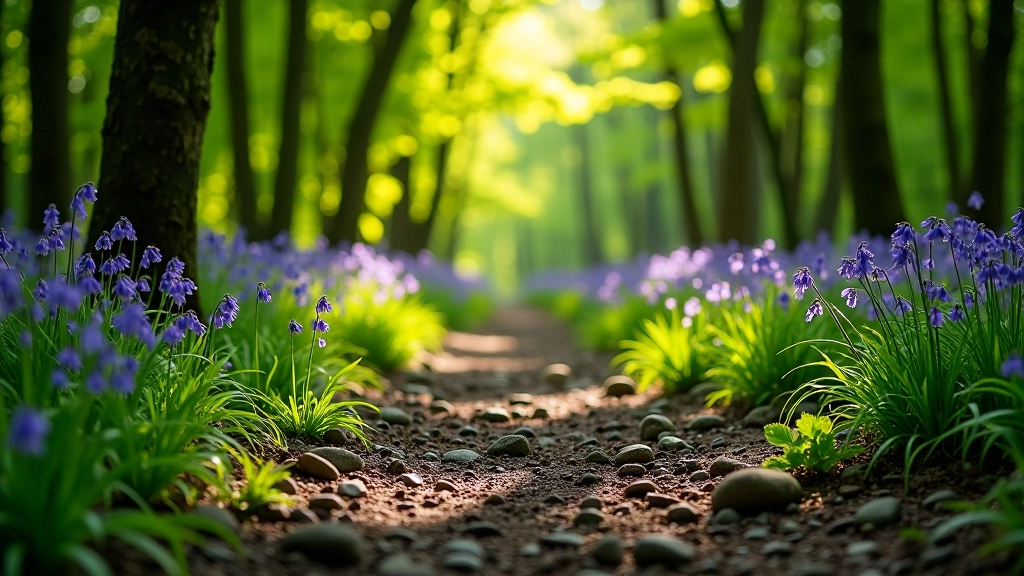
Roots want to trip you. Rocks hide under leaves. The forest floor is beautiful but it's not predictable. Look down enough to see where you're stepping, but not so much that you're hunched over. Most people find their natural rhythm — glancing down, then looking ahead a few metres, then down again.
Slowing down on tricky sections isn't caution, it's sense. If a path looks dodgy, take your time. If you feel uncertain about a slope, sidestep down it. Don't worry about looking silly — you're out there for you, not for anyone watching.
Dress in Layers
Irish weather changes its mind constantly. You'll start your walk and feel cool, then warm up as you move, then cool down again if you stop for a rest. That's normal. Layers let you adapt without faffing about.
A base layer that wicks moisture, a fleece or wool layer for warmth, and a windproof outer layer works well. Avoid cotton — it holds moisture and makes you cold. A hat and gloves in your pocket cost nothing and make a huge difference. Wear trousers or leggings that let you move freely, not tight jeans.
Bring Water and a Light Snack
You don't need much. A small bottle of water and a biscuit or banana is enough. Staying hydrated helps your muscles work better and keeps your energy up. A small snack prevents that energy dip that makes you feel shaky or light-headed.
If you're walking for longer than 45 minutes, bring a bit more. A rucksack with good padded straps is worth the investment — it distributes weight across your shoulders and back instead of pulling on your arms.

Plan Rest Stops
Lough Derg's shore has lovely quiet spots where you can sit and just be. So does Portumna Forest Park. Build these into your walk. Not because you're tired, but because they're the point. Sit for ten minutes. Listen. Breathe. Watch the light move through the leaves. These moments are as valuable as the walking itself.
Having a destination — a particular bench, a viewpoint, a stretch of shoreline — gives your walk purpose and makes it easier to pace yourself. "I'm walking to the oak by the lake" feels more achievable than "I'm going for a walk."
Signs to Stop and Head Back
Pain in your chest or shortness of breath that doesn't ease when you rest — stop immediately and sit. Dizziness or feeling faint. Sharp pain in your knees or ankles, not just mild discomfort. Confusion or feeling unusually tired. These aren't things to push through. They're your body telling you to pause.
Know Your Limits and Respect Them
You know your body. Some days you'll feel strong and capable. Other days your joints feel stiff or your energy's lower. Both are fine. On good days, don't overdo it thinking you're "making up" for other times. On tougher days, a short gentle walk is still brilliant. Consistency beats intensity, always.
If you're managing arthritis, balance issues, or you've not walked regularly in years, start small. Three times around a park. Ten minutes on a flat trail. Build from there. Your fitness will improve faster than you'd think, and you'll avoid the frustration of being too sore to walk the next time.
Walk with a Friend When You Can
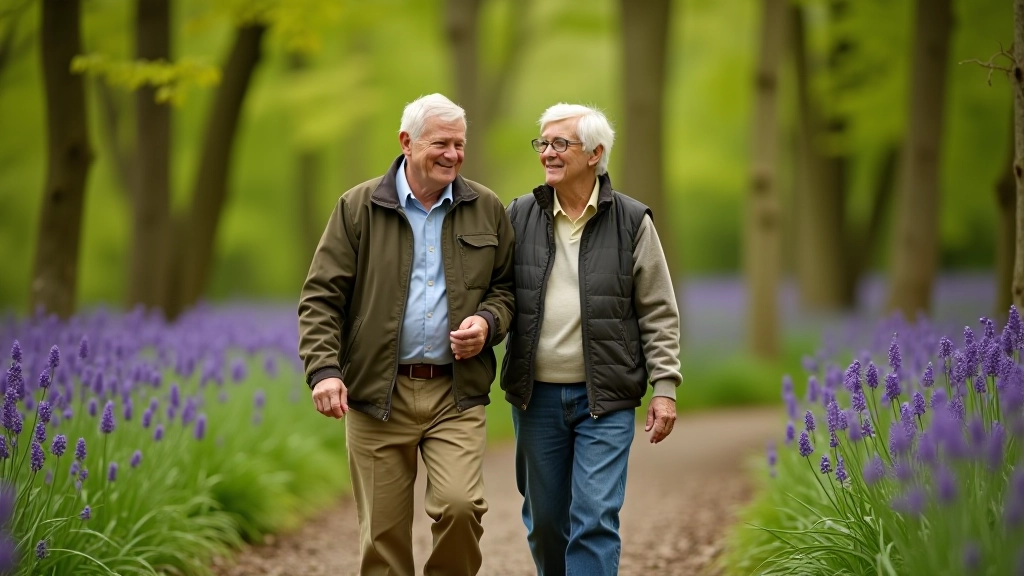
Walking alone is meditative and peaceful. Walking with someone you trust is different — safer, and honestly, more fun. A companion helps you stay steady if you stumble. They notice if something's off. You've got someone to share what you see — that heron by the water, the way light falls through the oak branches, the peace of it all.
Even better, walking with a friend makes you more likely to keep doing it. You've got a commitment beyond just yourself.
The woodland trails of Galway are waiting for you. They've been there for generations and they'll be there next week and next month. There's no rush. Go at your pace, enjoy the quiet, and come home feeling better than when you left. That's what it's about.